Table of Contents
- What is a Personal Protective Equipment (PPE)?
- Why is PPE disinfection essential?
- Why is PPE exposed to contamination?
- What are the health risks associated with poor PPE hygiene?
- What solutions does JVD offer for PPE disinfection (firefighters, healthcare, industry, etc.)
- Novven by JVD disinfecting cabinets
- Hygitec by JVD drying cabinets and lockers
- Hygitec by JVD boot and glove dryers
What is a Personal Protective Equipment (PPE)?
A PPE, or Personal Protective Equipment, refers to any device or means intended to be worn or held by a person to protect them against one or more risks likely to threaten their health or safety at work. Helmets, gloves, safety boots, coveralls, masks, and safety goggles: PPE covers a broad spectrum of equipment, from the simplest to the most technical.
In France, their use is governed by the Labor Code (Articles R.4321-1 and following): the employer is required to provide PPE suited to identified risks, ensure they are maintained in a compliant state, and train employees on their use. However, one often underestimated obligation concerns their hygiene: a poorly maintained, damp, contaminated, or degraded piece of PPE can not only lose its protective effectiveness but can become a risk vector itself for the wearer.
This is where PPE disinfection comes in, a central challenge for companies operating in demanding environments.
Why is PPE disinfection essential?
Why is PPE exposed to contamination?
In sectors such as the food industry, healthcare, defense, firefighting, or childcare, PPE is exposed daily to pathogens, moisture, and pollutants. Without regular and rigorous maintenance, bacteria, viruses, and fungi can proliferate inside the equipment itself (boots, gloves, coveralls), posing a risk of cross-contamination for both the wearer and their work environment.
Residual moisture is also an aggravating factor: it promotes maceration, generates unpleasant odors, and accelerates the degradation of materials. This reduces the lifespan of the equipment, forcing companies into more frequent and costly replacements.
What are the health risks associated with poor PPE hygiene?
Insufficient hyigene of PPE leads to concrete consequences at several levels. The table below summarizes the main risks and their impacts:
| Risk | Description | Concrete Impact |
| Microbiological contamination | Proliferation of bacteria, viruses, and fungi in damp equipment | Skin infections, cross-contamination, health risks for the wearer and the environment |
| Residual moisture | Insufficient drying after use | Wearer discomfort, maceration, development of persistent odors |
| Equipment unavailability | Degradation of materials due to frequent washing and chemicals | The PPE no longer fulfills its protective role, exposing the employee to professional risks |
| Indisponibilité des équipements | PPE undergoing drying or washing, not ready for use | Interruption of use, operational downtime, team disorganization |
| Financial surcharges | Premature replacement, compensatory overstocking | Increased PPE spending, logistical and administrative overload |
Acting upstream with appropriate disinfection solutions therefore means both protecting teams and optimizing equipment management.
What solutions does JVD offer for PPE disinfection (firefighters, healthcare, industry, etc.)?
JVD has developed a comprehensive range dedicated to the maintenance, disinfection, and drying of PPE under two expert brands: Novven by JVD for disinfecting cabinets, and Hygitec by JVD for drying lockers as well as boot and glove dryers. All these solutions are designed and manufactured in France.
The Novven 3 disinfecting cabinet: complete disinfection for high-constraint PPE in high-requirement environments
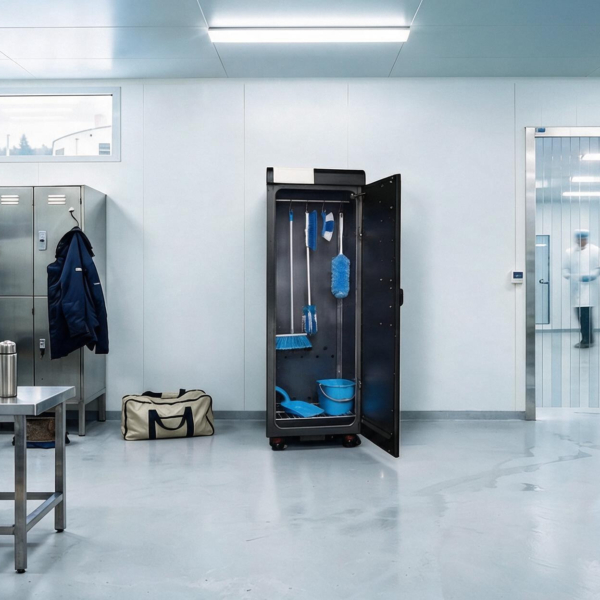
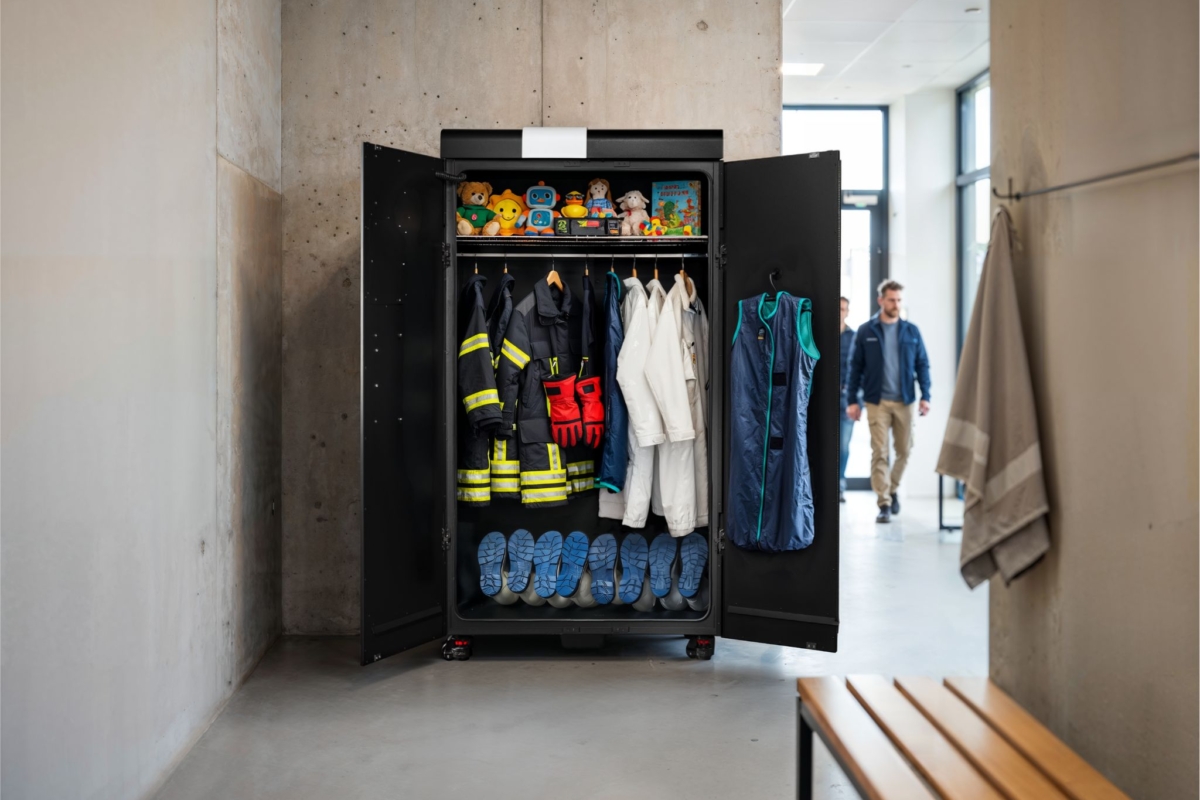
For the most exposed environments (firefighters, industry, healthcare, early childhood education, etc.), JVD has designed the Novven 3 disinfecting cabinet, the only disinfection cabinet on the market certified according to the EN 17272 standard by independent laboratories.
The Novven 3 acts on four fronts: it disinfects, decontaminates, deodorizes, and deep-dries PPE, including the most technical gear such as firefighting turnout gear. Its virucidal, bactericidal, and fungicidal power reaches over 99.9999%, making it a reliable tool for the strictest hygiene protocols.
Available in several versions adapted to each context, the Novven 3 ensures that PPE is always available, clean, and ready for use, while limiting wear and tear and reducing inventory management costs.
Designed and manufactured at the JVD factory in Nantes, it also embodies a strong commitment to eco-design and responsible manufacturing.
Hygitec by JVD drying cabinets and lockers: intelligent drying and storage for PPE
Beyond deep disinfection, many professional environments require solutions for efficiently drying and storing their PPE on a daily basis. This is the core objective of the Hygitec by JVD drying cabinets and lockers.
The range includes three complementary products:
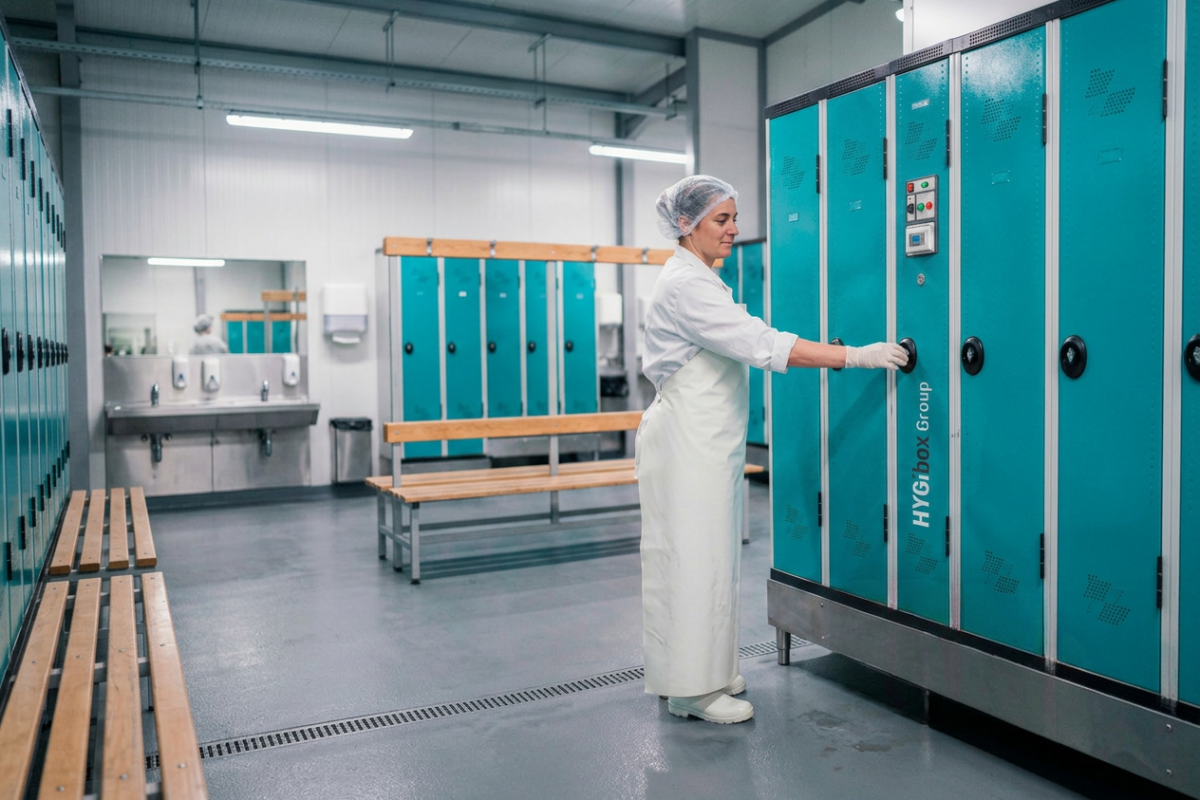
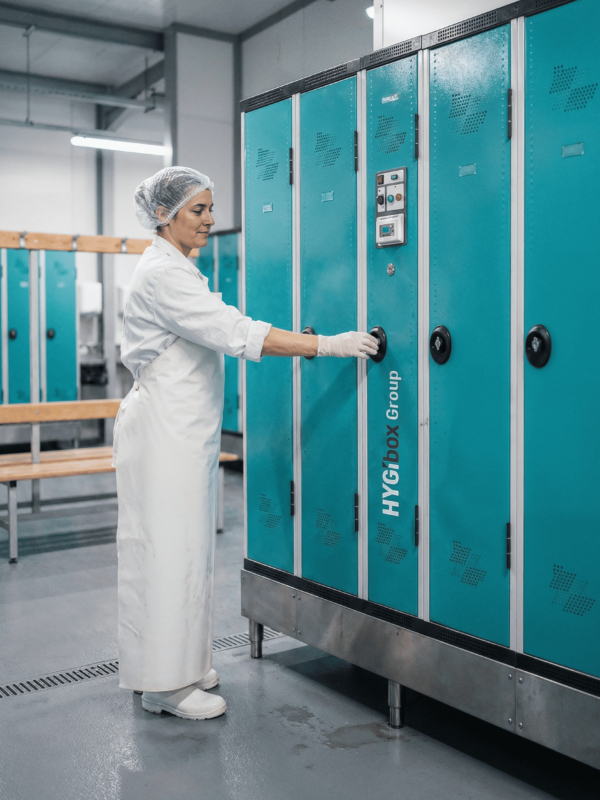
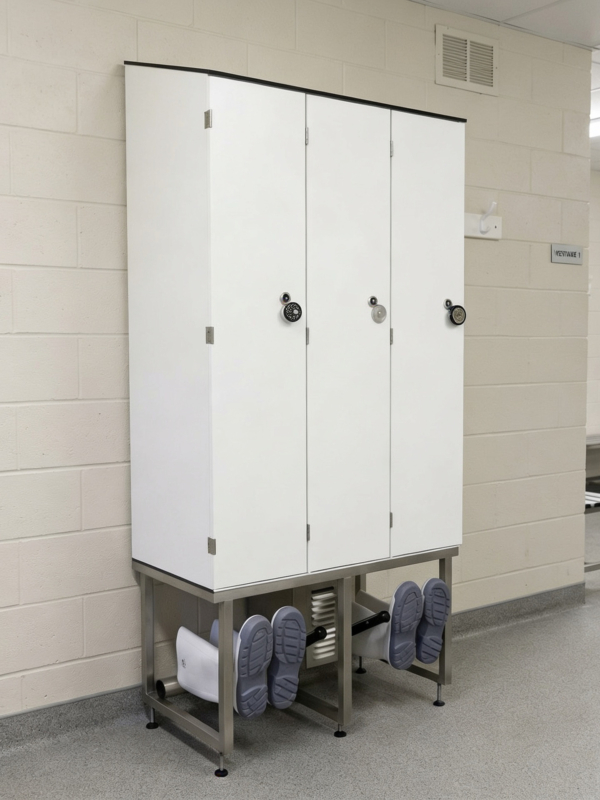
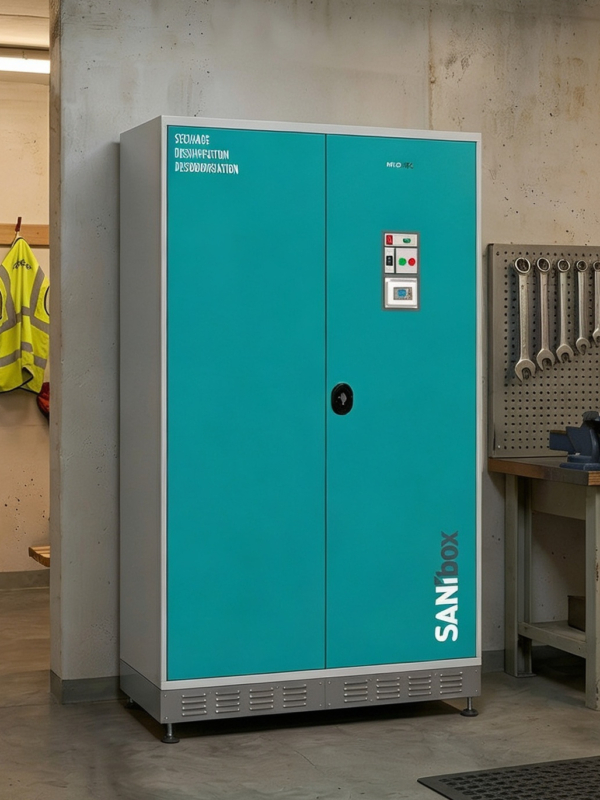
The HYGIbox: A drying locker designed for the disinfection and storage of individual PPE. The HYGIstrat + HYGIfeet midget: A combined solution that stores outfits in the upper section while drying and disinfecting footwear in the lower section. The SANIbox: A drying cabinet capable of drying outfits and equipment in 45 minutes to 2 hours 30 minutes.
These solutions are designed for both individual and collective use and integrate easily into technical spaces. They prevent the discomfort associated with moisture and odors while ensuring PPE is available at all times. Designed and manufactured in Savoie, at the JVD factory in Aix-les-Bains, they are a testament to JVD’s French industrial expertise.
Hygitec by JVD boot and glove dryers: PPE extremities always dry and ready
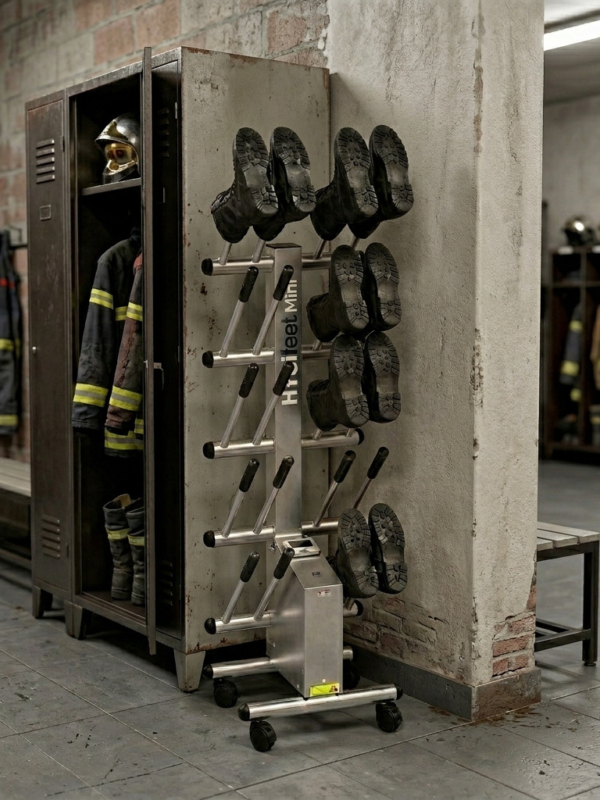
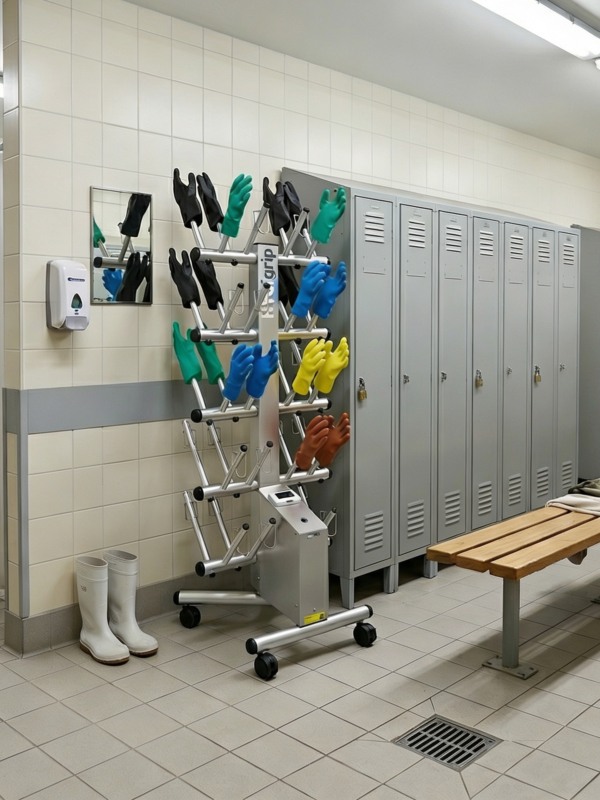
Boots and gloves are the PPE items most exposed to moisture and contamination, particularly in the food industry, catering services, and waste management. JVD offers a range of Hygitec boot and glove dryers designed to meet these specific constraints.
The range consists of three specialized pieces of equipment:
- The HYGIfeet: A boot dryer ensuring both drying and disinfection of boots.
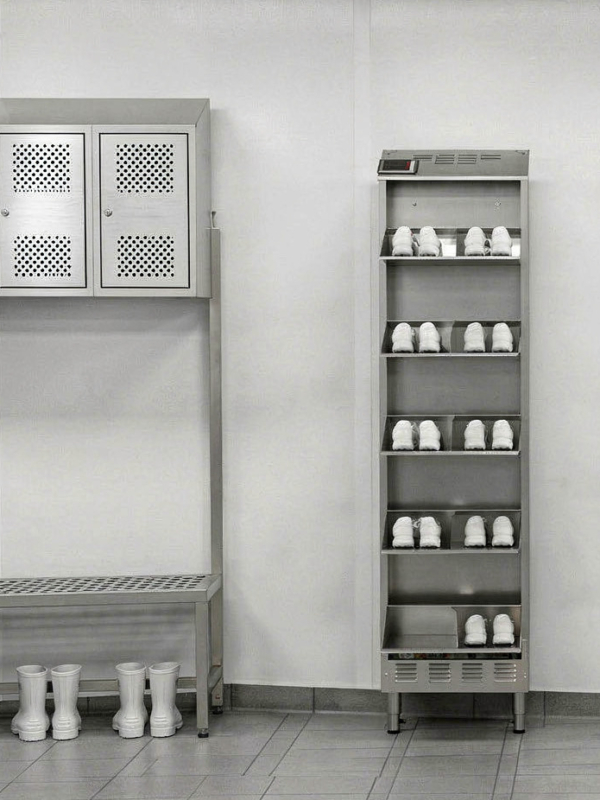
- The HYGIcase: Designed for the drying and disinfection of low-cut shoes.
- The HYGIgrip: Dedicated specifically to protective gloves.
Compact and easy to integrate into restricted spaces, this equipment reduces the risk of cross-contamination, eliminates odors, and improves the autonomy and comfort of teams. Like the rest of the Hygitec range, these products are made in France in Aix-les-Bains.
Are you interested
in our products?
Need more information or expert advice?
Let’s discuss it via video call or by phone.
Drying eliminates residual moisture from PPE, thereby preventing bacterial growth and wearer discomfort. Disinfection, on the other hand, acts directly on pathogens present in and on the equipment (viruses, bacteria, fungi) to eliminate them. JVD solutions, such as the Novven 3, combine both actions into a single cycle, guaranteeing PPE that is both dry and microbiologically safe.
The frequency depends on the industry and the level of exposure. In high-risk environments (healthcare, food industry, firefighting), disinfection after each use is recommended. JVD disinfecting cabinets make it possible to automate these cycles, guaranteeing constant hygiene without any additional burden for the teams.
Yes, and it is one of the most frequently underestimated benefits. Frequent washing and the use of aggressive chemicals deteriorate PPE materials. By replacing or supplementing these practices with disinfection cycles, as the Novven 3 does, premature wear is reduced, which limits overstocking and replacement costs.
Yes. The Novven 3 is tested and certified according to the EN 17272 standard by independent laboratories. It is the only disinfecting cabinet on the market to hold this certification, attesting to its virucidal, bactericidal, and fungicidal efficacy of over 99.999%.
Yes. The entire Novven and Hygitec by JVD ranges are designed and manufactured in France: the Novven 3 in the Nantes factory, and the drying lockers, boot, and glove dryers in the Aix-les-Bains factory in Savoie.
Absolutely. The Novven 3 for early childhood, for example, disinfects toys and contact equipment. Hygitec boot and glove dryers apply to footwear and hand protection. JVD offers a comprehensive approach to professional equipment hygiene, tailored to every business sector.